


édition #17
17 octobre 2026
3 janvier 2027

générations
Generations. Everywhere, the word stands out. Then there are the images that linger. The ones that stand the test of time.
editorial
Everywhere, the word looms large. In political debates, social divisions, family conversations. It speaks of what is passed on or lost. A memory. Anger. A dream.
And then there are the images that linger. Those that stand the test of time, that connect people, that tell the story of what came before us and what will outlive us.
Two hundred years ago, Nicéphore Niépce sparked a revolution by opening a window onto the world. Since then, photography has been a constant companion. Everything passes, changes, fades away: faces, bodies, landscapes, nations. Yet a photograph remains. It reappears in a forgotten box, on the wall of a house or in a phone’s memory. And suddenly someone recognises a gaze, a light, a story. Photography forges links between people, between eras, between generations.
For the past seventeen years, the Planches Contact Festival has been inviting photographers to come and create in Normandy. Some arrive with a sense of intuition, others with a long-standing obsession. Emerging artists rub shoulders with leading figures in contemporary photography.
Then the landscape comes to life. A road in the early morning. An unexpected encounter. Light out of season. A landscape that defies the obvious.
The images appear.
This year, Générations is the central theme running through the entire festival.
Family archives are being unearthed from drawers. Young people are seeking their place in a world beset by climate, social and geopolitical uncertainties. Some artists are turning to old images to make sense of the present. Others are observing what is already in the process of disappearing. But everywhere, too, a new energy is emerging: the energy to communicate in new ways, to invent new ways of inhabiting the world, of creating, and of building society.
This edition is also part of the The Bicentenary of Photography, an international celebration of an invention that has profoundly transformed our relationship with reality. Two hundred years after its inception, photography remains a tool for memory, testimony, creativity and freedom.
At a time when the working conditions for photographers are becoming increasingly precarious, Planches Contact reaffirms its commitment to contemporary art.
Artist residencies, the Young Artists’ Award, support for emerging artists, and support for long-term projects: the festival opens up a world of possibilities, experimentation and knowledge-sharing, where different generations of artists engage in dialogue and inspire one another.
This year, the festival is hosting, among others Bruce Gilden, a leading figure in American photography and a member of Magnum Photos. His monumental exhibition will take place on Deauville beach and will complement that of Cristina de Middel, the current chair of Magnum. Their work resonates with the history of this legendary agency and with the project Generation X, launched in the 1950s by the founders of Magnum, offering a unique insight into past and present generations.
And then there’s Tehran.
Following on from Beirut in 2025, Planches Contact is continuing its off-site residency in Iran.
In a country undergoing profound change, an artist continues to produce images that capture the youth, aspirations and upheavals of a society in flux. Her work reminds us that, throughout the world, photography remains a space for freedom and resistance.
In Deauville, the festival takes place at Les Franciscaines, Le Point de Vue, on the beach and in public spaces, close to the very locations where the images were captured. Exhibitions, talks, portfolio reviews, performances, screenings and workshops invite everyone to discover photography in all its forms.
Two hundred years after its invention, photography continues to bridge generations, pass on stories and shed light on the world to come.
Together with the whole team at Planches Contact Festival and Les Franciscaines, we are delighted to welcome you this autumn to share this new photographic adventure with us.
Lionel Charrier & Jonas Tebib
Artistic co-directors of the festival
Meet at Les Franciscaines, on the seafront and throughout the town of Deauville to celebrate photography from 17 October to 3 January 2027
News

BackToBath
BackToBath! The LUX network is organising its big opening week party...
Programme overview
Against the sumptuous backdrop of the Jardin du Palais de Luppé, the festival team is unveiling the programme...

LUX Network Portfolio Reviews
Jonas Tebib, co-artistic director of the festival, is taking part in the portfolio reviews organised by the LUX network...
One-on-One Sessions with the Filles de la Photo
Camille Binelli, head of the photography department at Les Franciscaines, is taking part in a portfolio review with Les Filles de la Photo...
The poster for the 17th edition
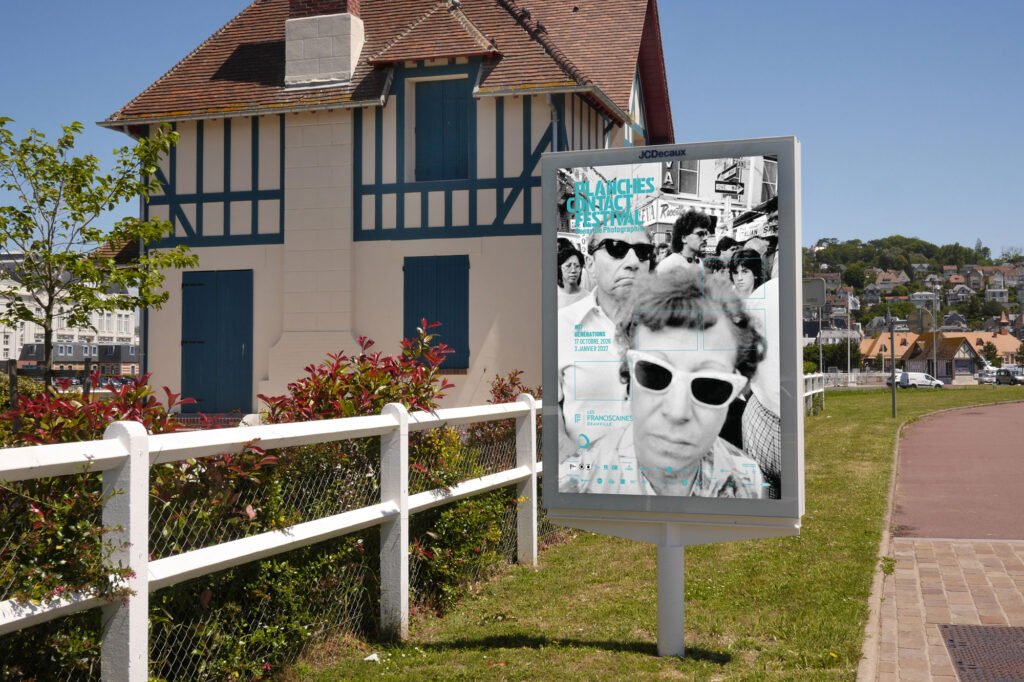
Like a distillation of generations...
Sixteen international photographers invited to take up residencies in Normandy. A programme that brings together leading figures in contemporary photography, ranging from documentary work to personal and fictional narratives.
Exhibitions
Related exhibitions

Young Generations, ten years on
In collaboration with the CNAP
_
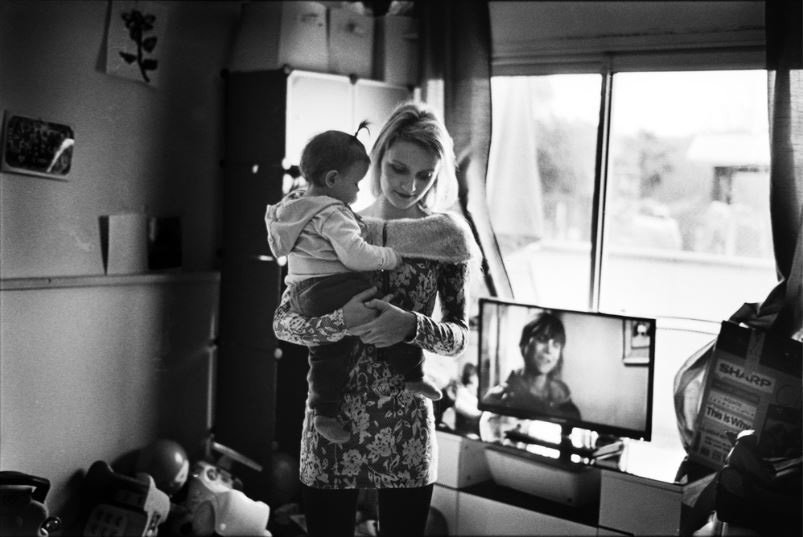
Ten years after its launch by the Ministry of Culture and the National Centre for Visual Arts (CNAP), la commande publique photographique Jeunes Générations resonates particularly strongly with this year’s festival theme. Launched in 2016 and entrusted to fifteen documentary photographers, this ambitious national commission offered a sensitive portrait of young people in France, reflecting the diversity of regions, backgrounds and lifestyles.
Presented in Deauville on the Touques Peninsula, this anniversary exhibition brings together the perspectives of artists who have captured a generation in flux, caught between a desire for emancipation, a sense of belonging, cultural practices and new forms of social interaction. From the countryside to the big cities, from private spaces to communal places, the images form a living record of a youth grappling with the social changes of its time.
Ten years on, these photographs also stand as a valuable archive: they bear witness to a turning point and serve as a reminder that photography not only documents the present but also shapes the memories of future generations.
An exhibition organised as part of the bicentenary celebrations of photography, courtesy of the LUX Network.
+ more info >>>

Generation X
_
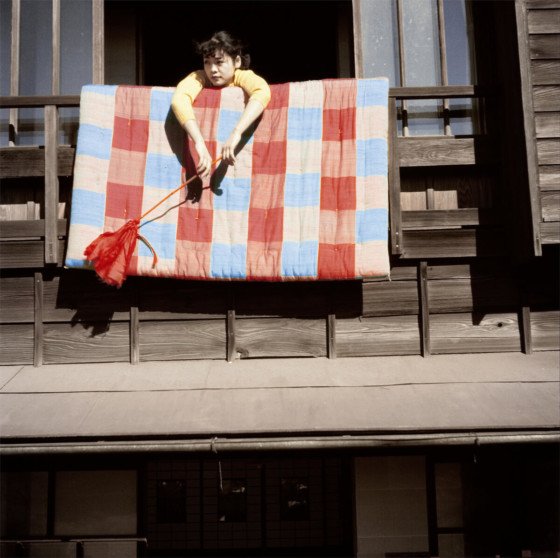
In 1951, Robert Capa launched one of Magnum’s first major collective projects: eleven photographers – including Henri Cartier-Bresson, David Seymour, Werner Bischof and Eve Arnold – set off for fourteen countries across five continents to capture a portrait of post-war youth.
The central theme of the project is a single questionnaire on the daily lives, dreams and fears of young people aged 20–25; it seeks to reveal what radically different cultural contexts might have in common. Capa dubbed this generation, born in the shadow of the Second World War, Generation X: the unknown generation.
Building on this project launched by the founders of Magnum, the Planches Contact Festival has invited two photographers from the agency in Normandy to explore Generation Z: Bruce Gilden, with a project focusing on young farmers; and Cristina De Middel, with a series on young people from villages in the Cotentin region.
+ more info >>>

Retrospective
_
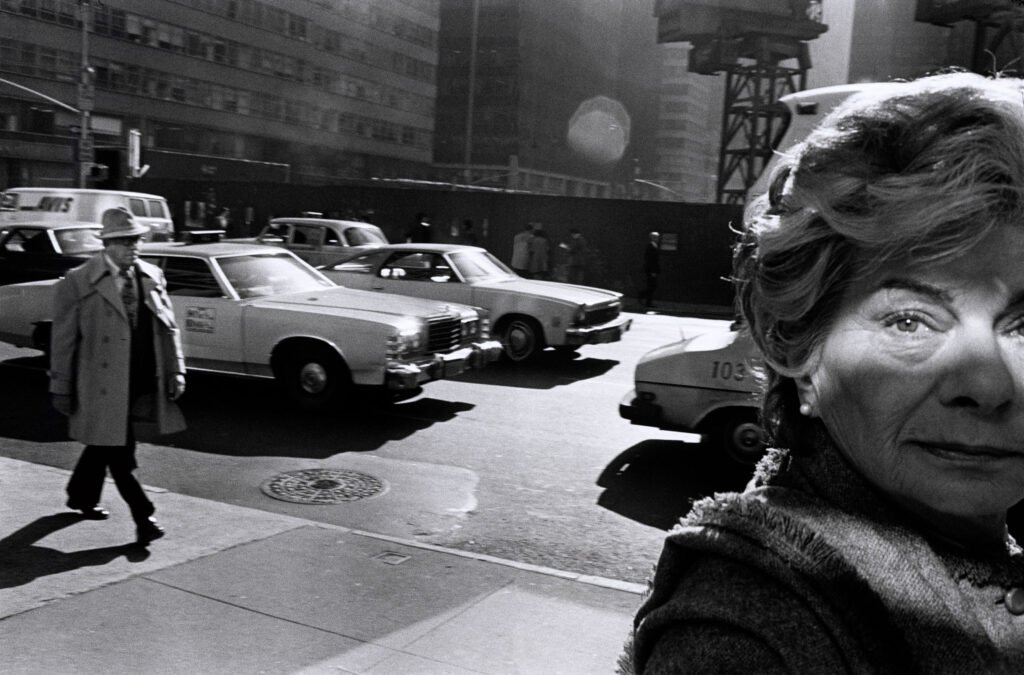
Planches Contact is showcasing the work of Bruce Gilden, the renowned New York-based photographer from Magnum Photos, whose work has rarely been exhibited in France. Alongside this, he is presenting a body of work created this year during a residency in Normandy focusing on young farmers; this exhibition offers an opportunity to revisit the oeuvre of this master of street photography, renowned for his direct, raw and uncompromising perspective.
For this major retrospective exhibition on Deauville beach, we look back at his New York of the 1970s and 1980s. Those years shaped his sharp, incisive style, which is nonetheless imbued with a certain nostalgic tenderness for that era. With his lens close to the faces and his mastery of vertical framing, Bruce Gilden paints a raw and striking portrait of New York society. The characters of this city and its iconic Coney Island beach will take over Deauville beach in imposing large-format prints, with around forty images on display.
+ more info >>>

100 years, 2001
_
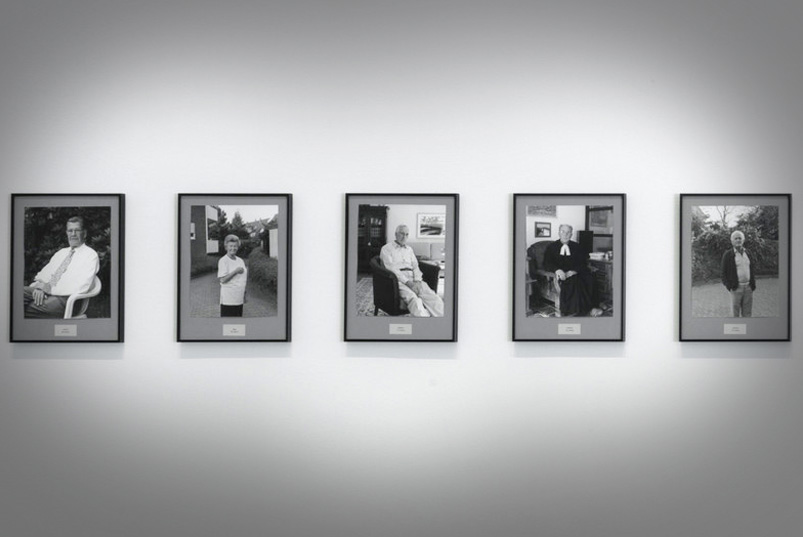
With his ‘100 Years’ series, Hans-Peter Feldmann creates a journey and a striking meditation on the span of human life. Presented in the form of one hundred and one portraits, ranging in age from a few weeks to one hundred years, the work unfolds as a succession of faces in which time becomes visible. Without hierarchy or spectacular staging, Feldmann observes both what connects the generations and what sets them apart: the gazes, the postures, the signs of an era inscribed in bodies and clothing...
Through this iconic body of work, photography becomes a sensitive measure of the passing of time. Each portrait stands on its own, yet together they form a collective experience in which everyone recognises a part of their own story. As part of the ‘Generations’ theme, 100 Ans révèle la continuité discrète qui relie les êtres à travers le temps et qui rappelle que les âges de la vie ne sont pas des mondes séparés, mais les étapes d’un même parcours.
Presented thanks to a special loan from the Musée d’Art Moderne de Paris, this exhibition at Les Franciscaines offers visitors the chance to discover one of Hans-Peter Feldmann’s major works, which has been shown in over a dozen international institutions.
+ more info >>>

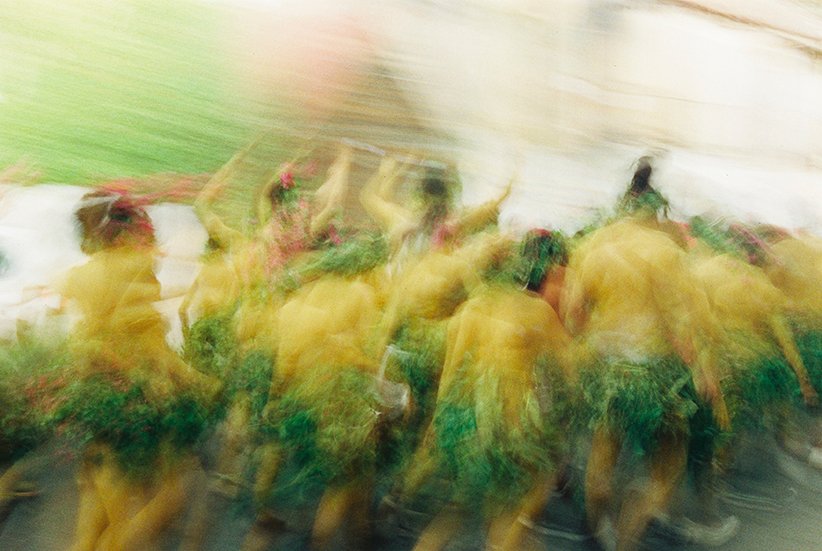

The Chaos that Gives Me Life. Atlas of an Imagined Land
_
Chaos, which gives me life. Atlas of an Imagined Country revolves around the tectonics of exile: the mists of the forest, the calypso of the carnival, Creole culture and memories. A sensory cartography of journeys, from the ancestral lands of the Orinoco to the Guiana Shield, all the way to the Caribbean Sea: sketching out the sensory atlas of an imagined country.
Through a sensory and immersive journey in which music and imagery become maps of the senses, Oleñka and La Chica invite the audience to share an emotional experience focused on healing and connection. This project seeks to go beyond mere documentary observation to create a shared space for testimony, listening and care — an imagined realm of encounters that transcends our identities and nationalities.
+ more info >>>
Exhibitions
Guest artists in residence

+ more info >>>
The Sorrowful and Immaculate Heart of Mary
_
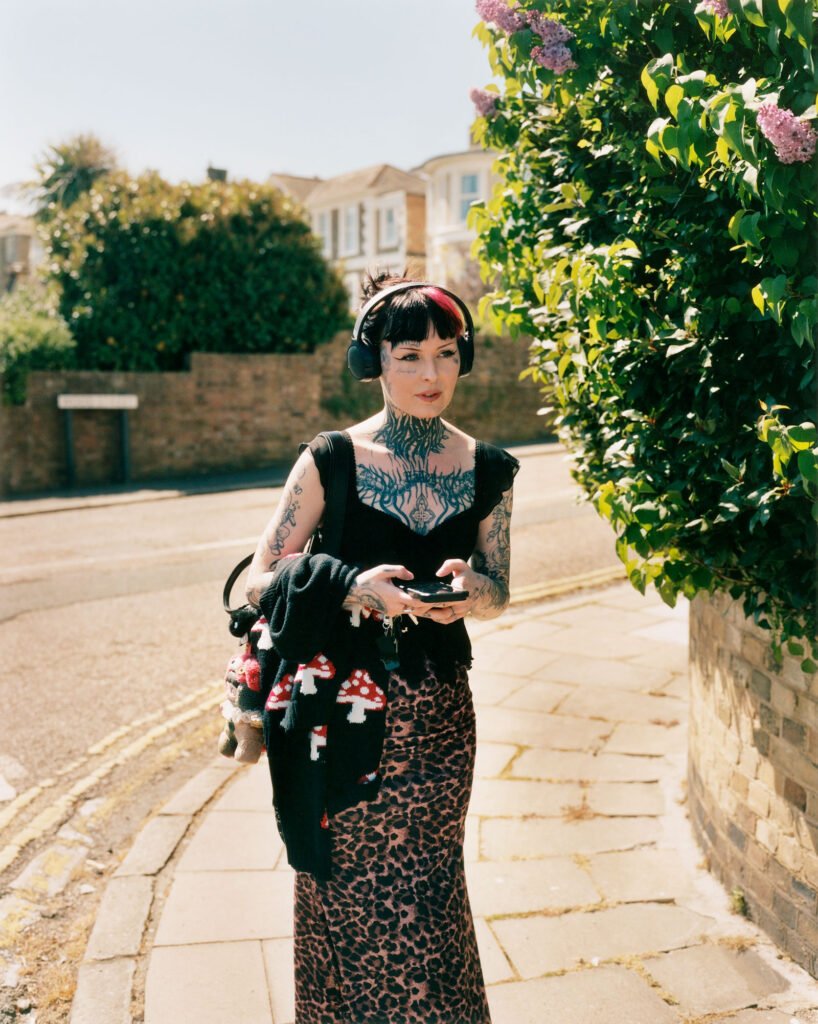
With a passion for passing on family history, Ed Alcock sets out to investigate the story of his grandmother Mary, who was born in 1923 into a working-class family in the north-east of England. Sent as a child to Cowes on the Isle of Wight, a town twinned with Deauville, she grew up under the tutelage of an elderly, cultured man, in a middle-class environment far removed from her origins.
The reasons behind this placement remain unclear: a family tragedy, a secret surrounding her birth, or social divisions. Following the discovery of a hidden chest in Mary’s old house, Ed Alcock unravels a story marked by unspoken truths, upheavals and connections between England and Normandy.
From the Isle of Wight to Deauville, this project blends photography, family history and documentary investigation to explore the themes of transmission, uprooting and the traces left by secrets across generations.
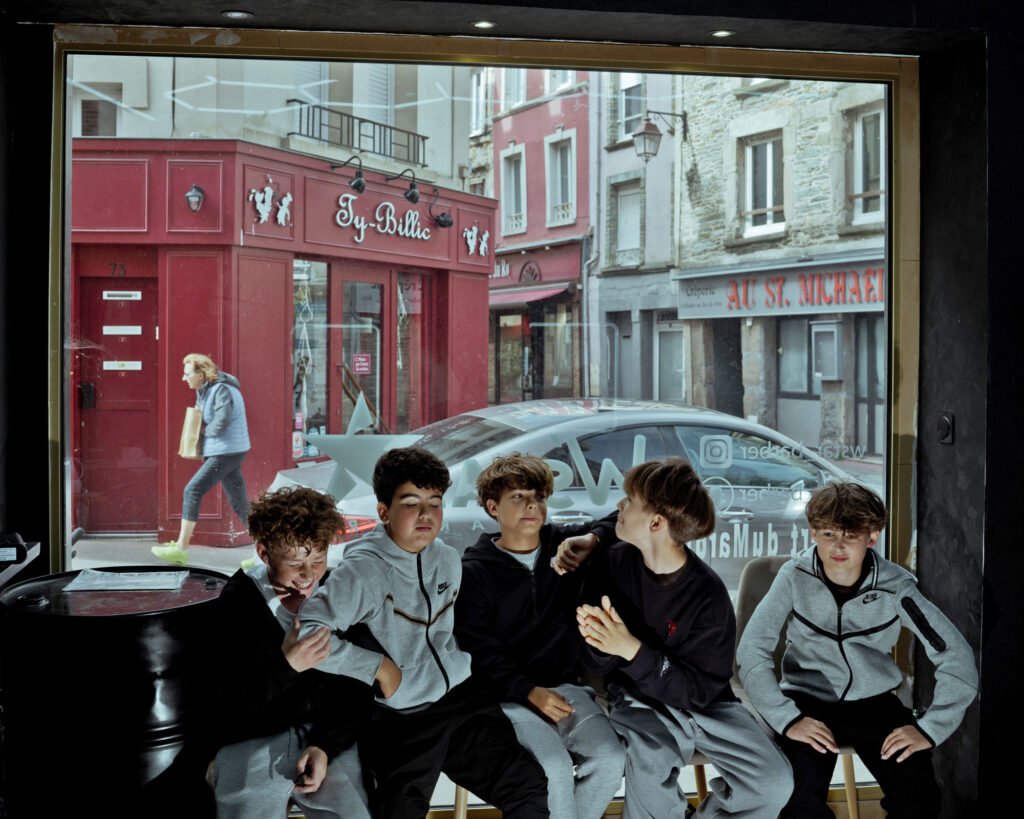

Génération Z
The Cherbourg Atomics
_
The Cotentin is now one of the most heavily nuclearised regions in the world. Amidst its wooded countryside, cliffs and industrial infrastructure, employment is growing in step with the major projects spearheaded by the State. In March 2024, the programme Aval du futur has announced a new reprocessing plant and three spent fuel storage pools, making the area the centre of what is being billed as ‘the world’s largest industrial project’. The local residents, however, are finding out about it through the press.
It is against this backdrop that Cristina de Middel interviews people of all ages in the Cotentin region: young people in training, anti-nuclear campaigners, and residents who have stayed out of necessity or a sense of attachment.
+ more info >>>
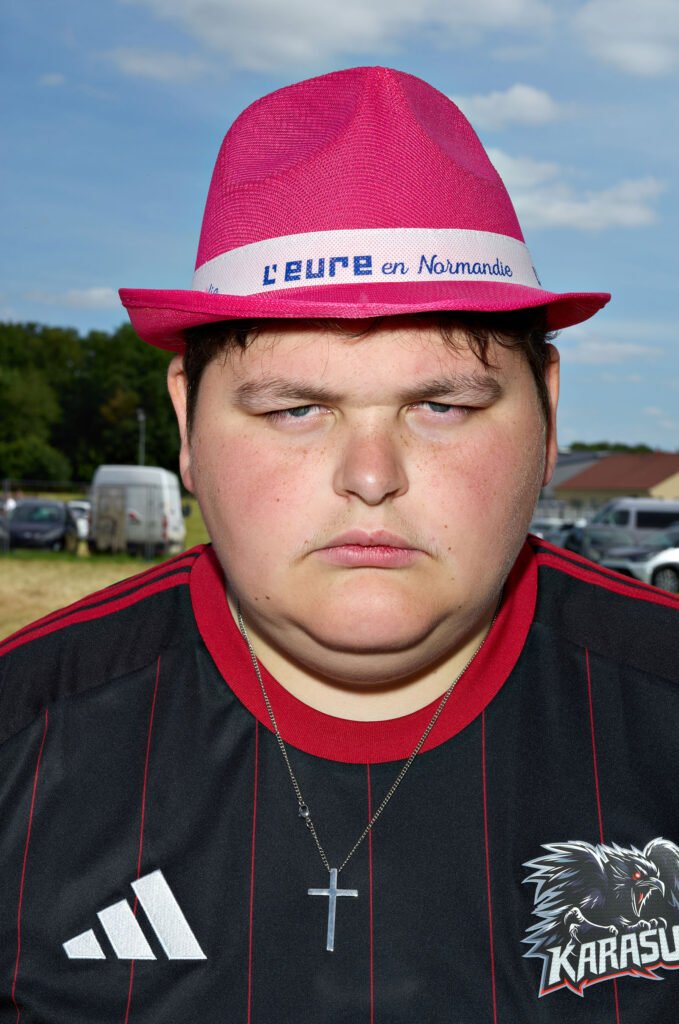
Génération Z
Country-Side
_
Between 2010 and 2020, nearly 100,000 farms disappeared in France, placing the issue of generational succession at the heart of the challenges facing the agricultural sector. In Normandy, a new generation is seeking to adapt the structures inherited from the past against a backdrop of major economic, social and climatic upheavals.
Bruce Gilden sets out to meet young people working in the agricultural sector in Normandy. True to his instinctive approach, he photographs apprentices, students, farmers’ children and young farmers aged between 13 and 30 in the Deauville area.
His images portray a younger generation grappling with issues of succession, work, attachment to the land and the future, against a backdrop of increasing uncertainty in the industry, whilst the European agricultural landscape attempts to reinvent itself.
+ more info >>>

+ more info >>>
Memories of Honfleur
_
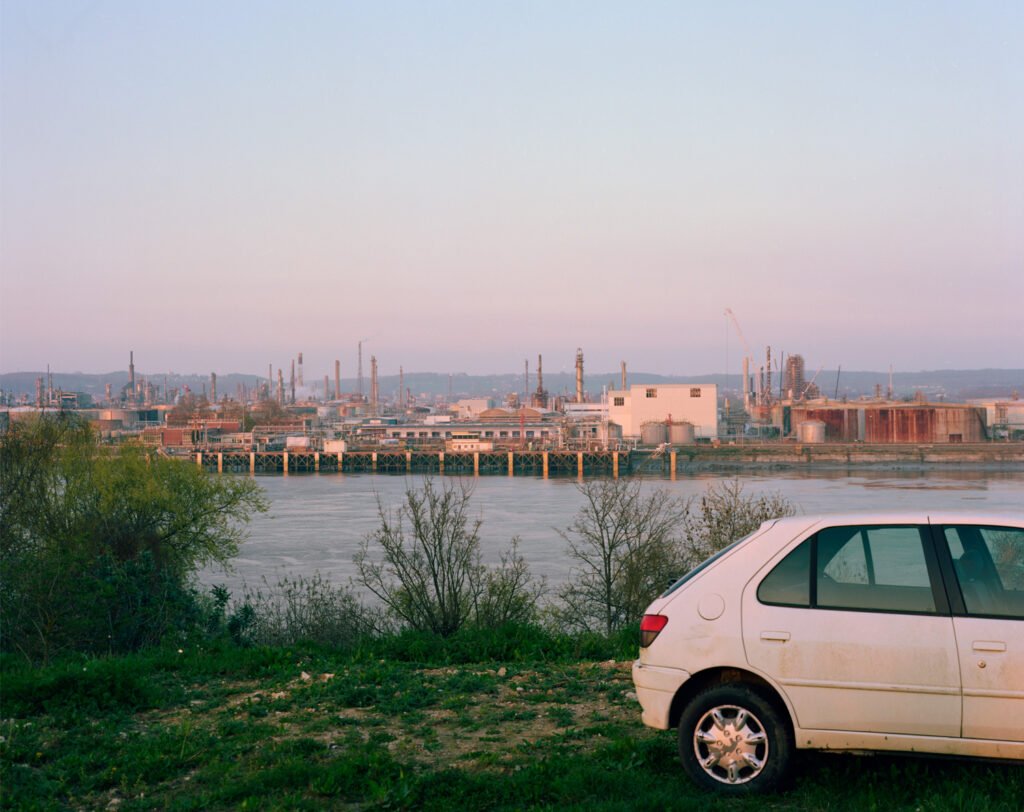
In *Souvenirs d’Honfleur*, Alain Keler looks back on his youth and the years he spent at the Lycée Albert Sorel in Honfleur between 1961 and 1964, a formative period of his adolescence. Behind the strict confines of the boarding school, he discovers, above all, his first stirrings of independence, close friendships, and escapades to Deauville or the cafés of Honfleur.
Here, he rediscovers the places, the atmosphere and the traces of that budding freedom: jukeboxes, pinball machines, night buses, harbours, table football and clandestine escapades away from school. The story also takes on a more personal tone with the recollection of a devastating bout of meningitis that left a lasting mark on that period.
Personal memories, Normandy landscapes and a travel journal blend past and present. Alain Keler weaves a tapestry of years in which the longings for freedom, travel and the life ahead take shape.

Complaints
_
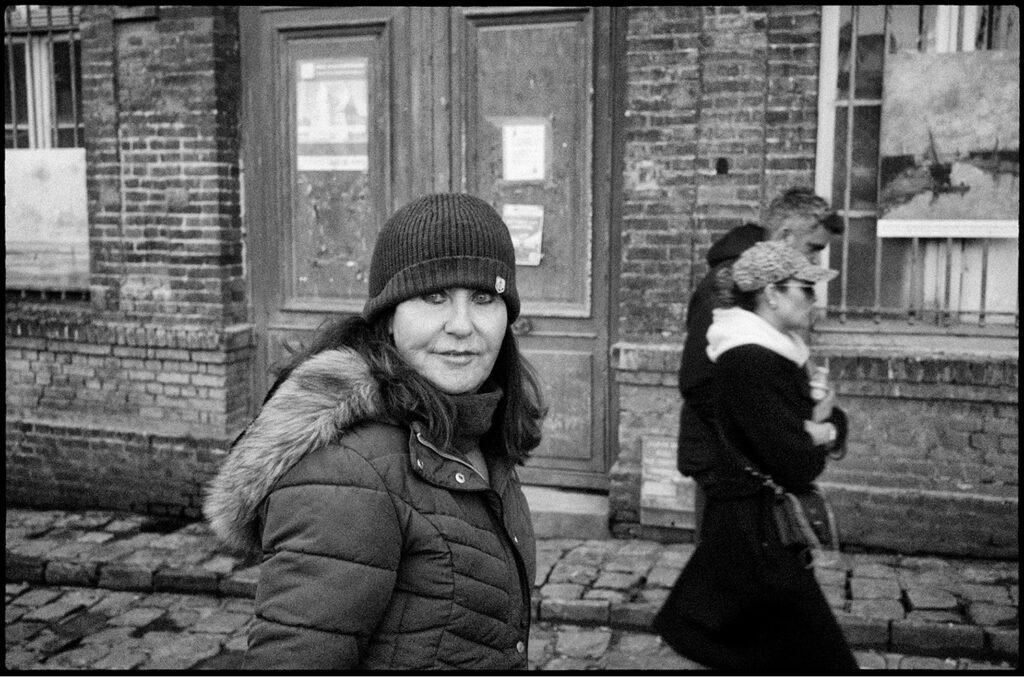
Léo Keler takes another look at the complaint books compiled during the 2019 National Debate, a public consultation launched by the government in response to the Yellow Vests crisis to gauge the expectations of the French people.
Having pored over and studied these thousands of contributions preserved in the Normandy departmental archives, he brings to light the concerns, frustrations and hopes that are currently felt across the region. A region that is at once rural, industrial, maritime and agricultural, Normandy reveals through these writings the challenges relating to public services, employment, mobility and a sense of political neglect.
Setting out to meet the people, explore the landscapes and examine the issues raised in these notebooks, Léo Keler presents an overview in which the words written in 2019 still resonate in today’s lives and places, through archives, personal accounts and documentary photography.
A project supported by the CNAP (National Centre for Visual Arts).
+ more info >>>

Nature
_
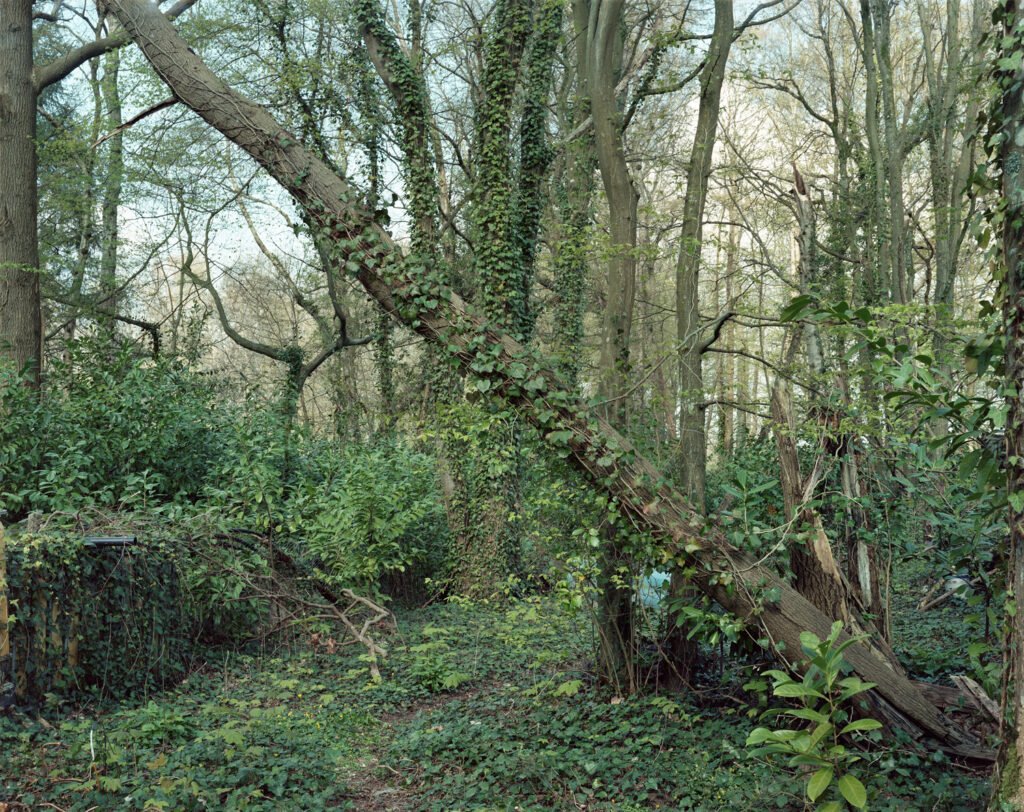
Lise Sarfati’s work explores both the natural world and human nature. It focuses on living nature that flourishes in places deemed ‘wild’ or ‘abandoned’ by humans, as well as on human nature, as evoked by photographs of teenage girls captured within a fragment of nature.
When nature generates itself, it produces its own existence, its own laws, its own fractures, punctuated by the passage of light and shadow, creating forms and tensions. Nature envelops and covers all traces of human activity, sculpting a new, living landscape in a state of perpetual change. The young girls are photographed as integral elements of the landscape. They are at an age of constant change; they have no fixed identity, they are in the midst of transformation, but also in the midst of projecting their future lives.
+ more info >>>

Iranian Youth
_
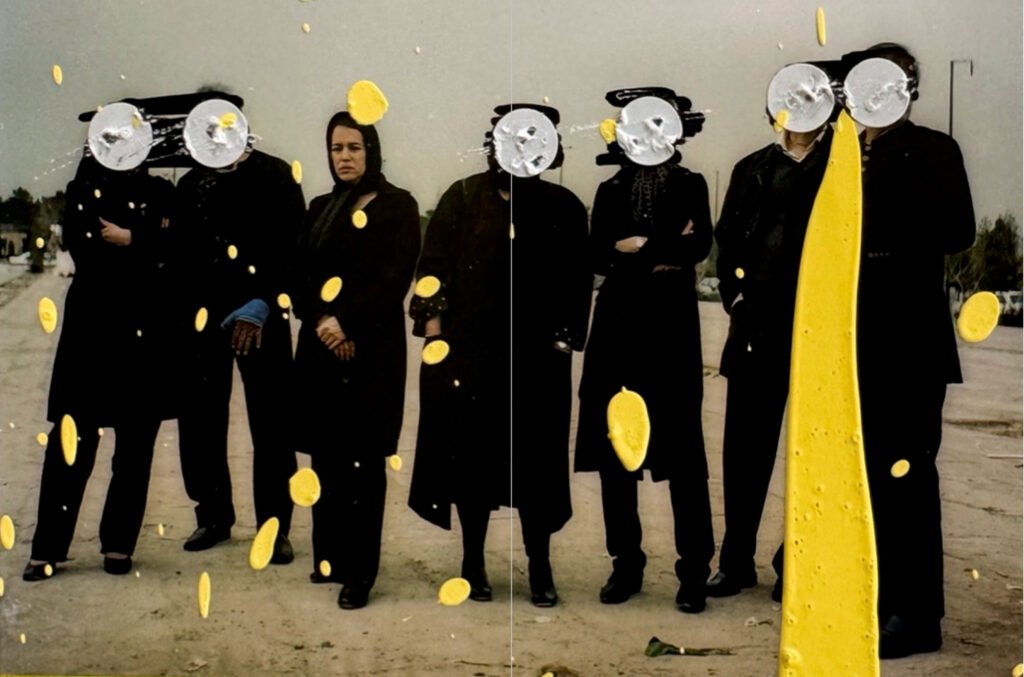
In And They Laughed at Me, In her latest book, published in 2026 by Kehrer, Iranian photographer Newsha Tavakolian delves into her archives to unearth images that were not intended for public viewing. Taken between 1996 and 1999, these technically imperfect photographs document defining moments and personal snapshots, weaving a rich tapestry of life within Iran during a politically charged era.
During this Hors-Les-Murs residence From Tehran, Newsha Tavakolian continues this exploration by revisiting images taken from Blank Pages of an Iranian Photo Album and And They Laughed at Me. She combines contact sheets, damaged photographs, negatives, paint and physical interventions in a unique collage in which faces and gestures re-emerge as emotional remnants spanning generations.
+ more info >>>

Family Portraits
_
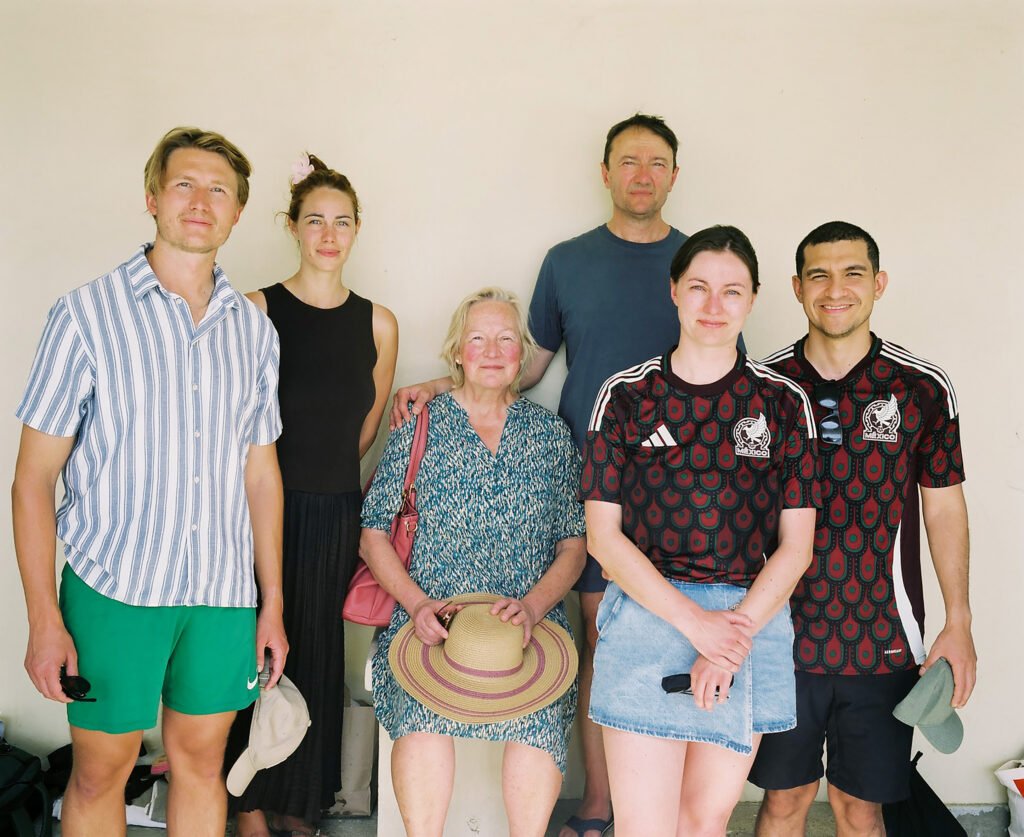
With his new series shot in Normandy, Tom Wood continues the work he began with *Mothers, Daughters, Sisters* between the 1970s and 1990s, exploring family relationships and the dynamics between different generations. His photographs form a vast collection of portraits of anonymous individuals—families, couples and siblings—that offer a keenly observant perspective on faces, demeanours and the bonds between people.
With his Leica, he focuses on photographing different generations, in homes, on the streets, in cafés or against the region’s landscapes. His images, in both black and white and colour, alternate between candid shots and more posed portraits. They reflect a theme that runs through his entire body of work since Liverpool: a direct focus on people, faces and the social narratives that capture the spirit of the times.
He will be presenting the work he produced during his residency in Deauville, along with a selection of his iconic photographs.
+ more info >>>
Ongoing support for emerging talent through the Young Photographers’ Award and for solidarity through the Foundation’s grant photo4food
Young Photographic Creation Award
The winners of the Young Photographic Creation Award

Passés Repansés
_
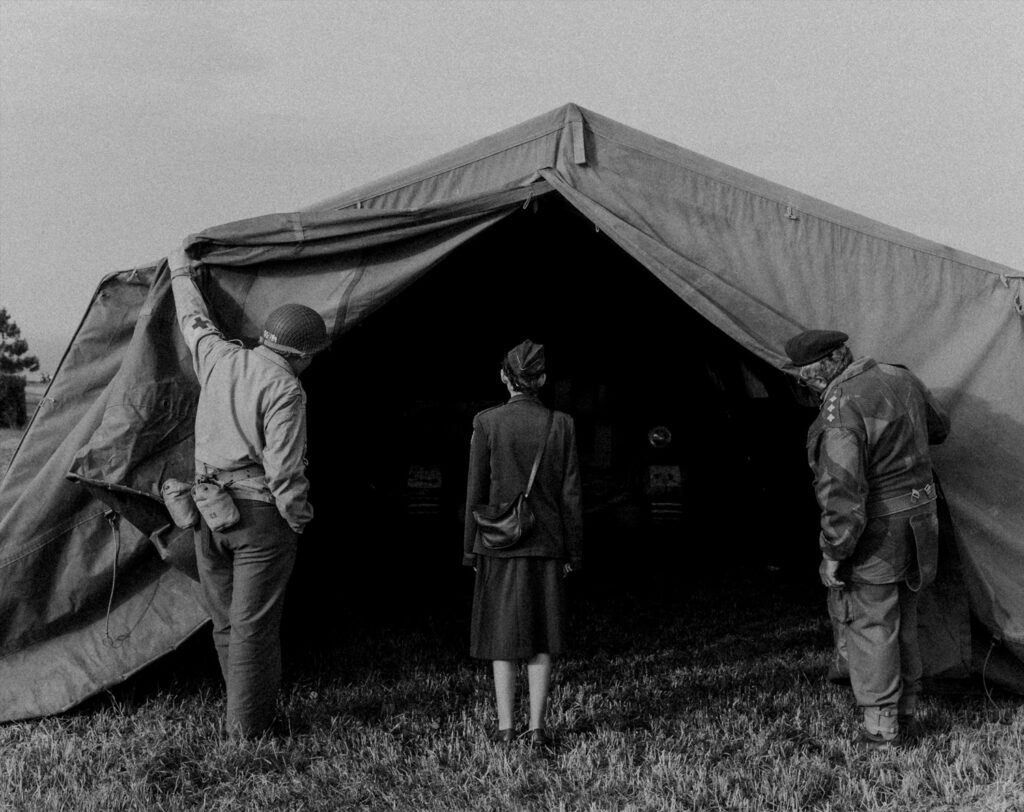
It is in silence that we lose our memories, and sometimes it is by listening to that silence that we rediscover our own history. As he journeys through the landscapes of the Battle of Normandy, archaeological excavations, historical re-enactments and the still-visible traces of the Second World War, he gathers a multitude of memories to bring to life a narrative that resonates with the present.
By revisiting this collective memory, Mathias Benguigui also revisits his own personal history, which resurfaced during this residency. Like memories he reclaims through archives, wanderings and flashes of emotion, his work seeks to reveal the intimate traces that are often overshadowed by the grand narrative of history.
+ more info >>>

Les Eaux Noires
The toxic legacy of the Second World War.
_
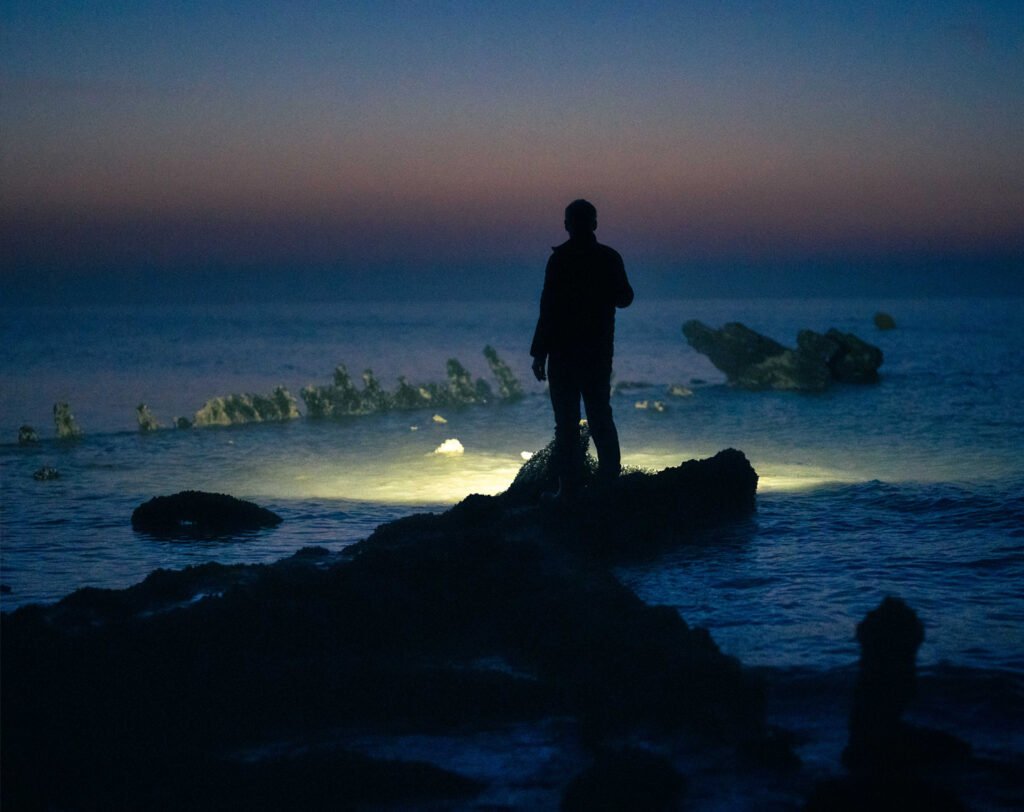
More than 8,500 shipwrecks now lie on the ocean floor, remnants of the two world wars. Millions of tonnes of oil remain trapped in their holds, whilst cargoes of munitions containing explosives, heavy metals and chemical compounds pose a threat.
For decades, these metal structures have contained these substances. But 80 years after the Second World War, the passage of time is revealing the true extent of the damage. Corrosion, estimated to average several millimetres a year, has gradually weakened the hulls of ships and the casings of shells.
This is a photographic exploration in which Juliette Pavy accompanies scientists and knowledgeable enthusiasts from research laboratories to the depths of the sea, diving right up close to these carcasses to reveal their unsettling beauty.
+ more info >>>

Les Présents
_
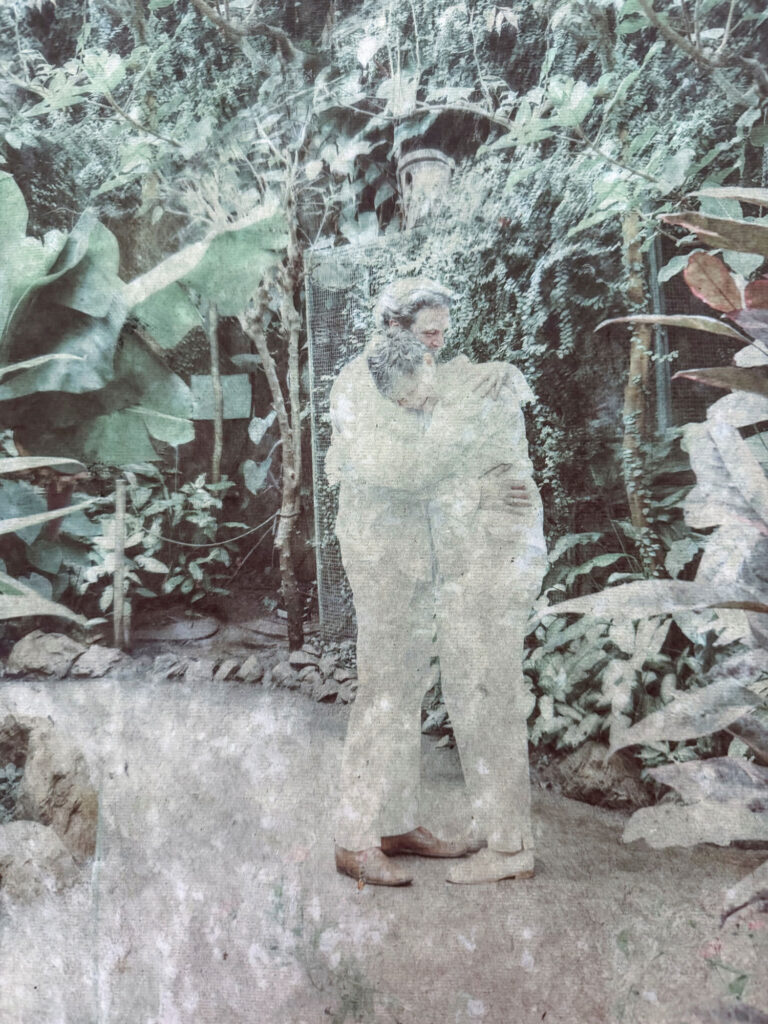
With Les Présents, Flore Prébay s’intéresse à celles et ceux qui consacrent une part d’eux-mêmes à accompagner un proche au quotidien: les aidants. Conjoints, mères, amis ou enfants: la série donne une place à ces présences discrètes qui soutiennent et continuent d’aimer dans la résilience ou l’épuisement, la douceur ou le renoncement.
Through a simple question — “If you had a moment all to yourself, what would your innermost dream be?” — the photographer captures their intimate “breaths” and transforms these stories into photographic and visual artworks. The series takes shape on handmade paper produced especially for the project with her uncle, and is then enhanced with pictorial interventions.
+ more info >>>

Le Temps d’une nuit
_
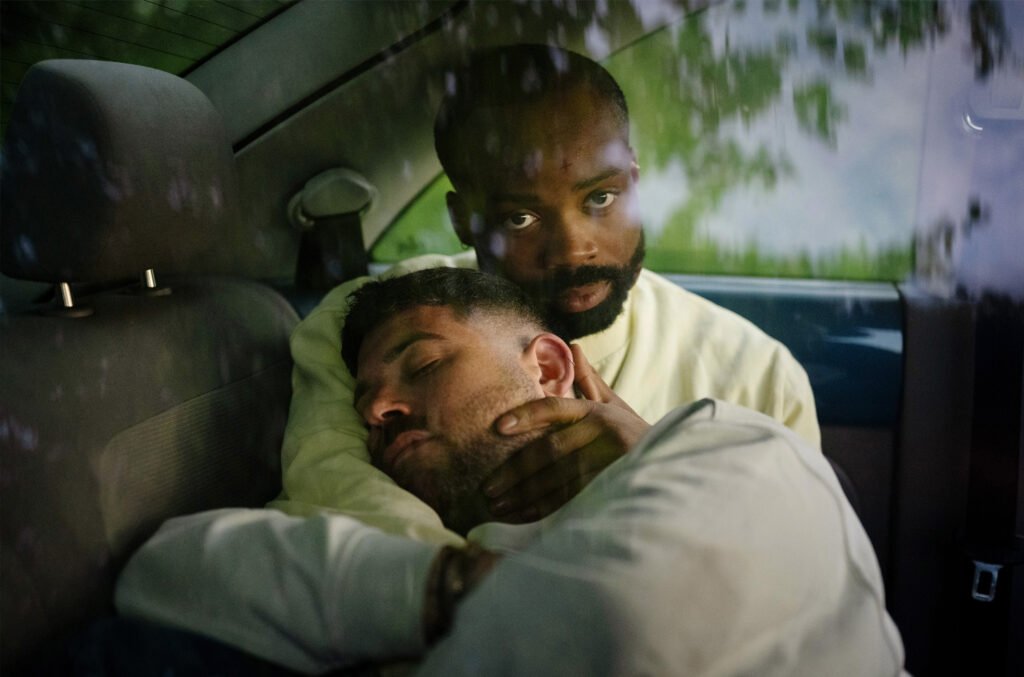
Emeline Sauser’s work is driven by a sense of urgency to live life to the full, a desire to connect with others, and an awareness of the passage of time. Guided by an instinctive creative process, she sets off on the road and shares nights, wanderings and dawns with the people she photographs, before moving on to the next destination. The journey becomes a way of living life intensely, of capturing fleeting moments and pivotal turning points.
Underlying it all, a pivotal encounter runs through the series and highlights the need to continue experiencing beautiful things despite an awareness of our own mortality: setting off together, holding on to a few hours before they slip away.
Through portraits, nocturnal lighting and moments of suspended stillness at dawn, Emeline Sauser weaves a sensitive narrative about that inner fire that drives us to connect with others, to love and to carry on, come what may.
+ more info >>>
Young Photographers’ Award
With the Young Photographers’ Award, Planches Contact Festival reaffirms its commitment to emerging photography. Aimed at photographers aged 18 to 35, this initiative supports young artists at a crucial stage in their careers and highlights the diversity of contemporary photographic styles.
Each year, four photographers, selected by a jury following an open call for applications, are invited to take up a residency in Deauville as part of this initiative. Their projects are supported, produced and presented during the festival.
Comprising figures from the worlds of photography, the press, institutions and the art world, the jury awards the Jury Prize during the opening weekend, which entitles the winner to a residency at Villa Pérochon. The InCadaqués festival also honours a photographer who will be invited to exhibit at its next edition.
This year we are delighted to welcome two new members to the jury: Julie Jones, the new director of the MEP, and Nathalie Herschdorfer, Director of Photo Elysée in Lausanne.
Through this award, the Planches Contact Festival continues its work in supporting the next generation of photographers and reaffirms its commitment to promoting contemporary creativity.
The Jury
Rima Abdul Malak, Chair, Philippe Augier, Mayor of Deauville and President of the Franciscaines, Lionel Charrier, Photo director of Libération & co-artistic director of the Planches Contact Festival, Babeth Djian, editor-in-chief of Numéro magazine, Alain Genestar, founder of Polka magazine, Philippe Guionie, Director of Villa Pérochon, Thierry Grillet, essayist and curator, Nathalie Herschdorfer, Head of Photography at the Élysée, Nicolas Jimenez, director of photography for the Monde, Julie Jones, Director of the Maison Européenne de la Photographie, Anne Lacoste, Director of the Hauts-de-France Institute of Photography, Lille, Caroline Stein, Head of Philanthropy, Trustee and Curator of the OBC Neuflize Collection, Jonas Tebib, & co-artistic director of the Planches Contact Festival
Meetings, screenings, performances, portfolio reviews, workshops and educational activities will form the backbone of the festival
photo4food grant
The winners of the photo4food grant

On a knife-edge
_
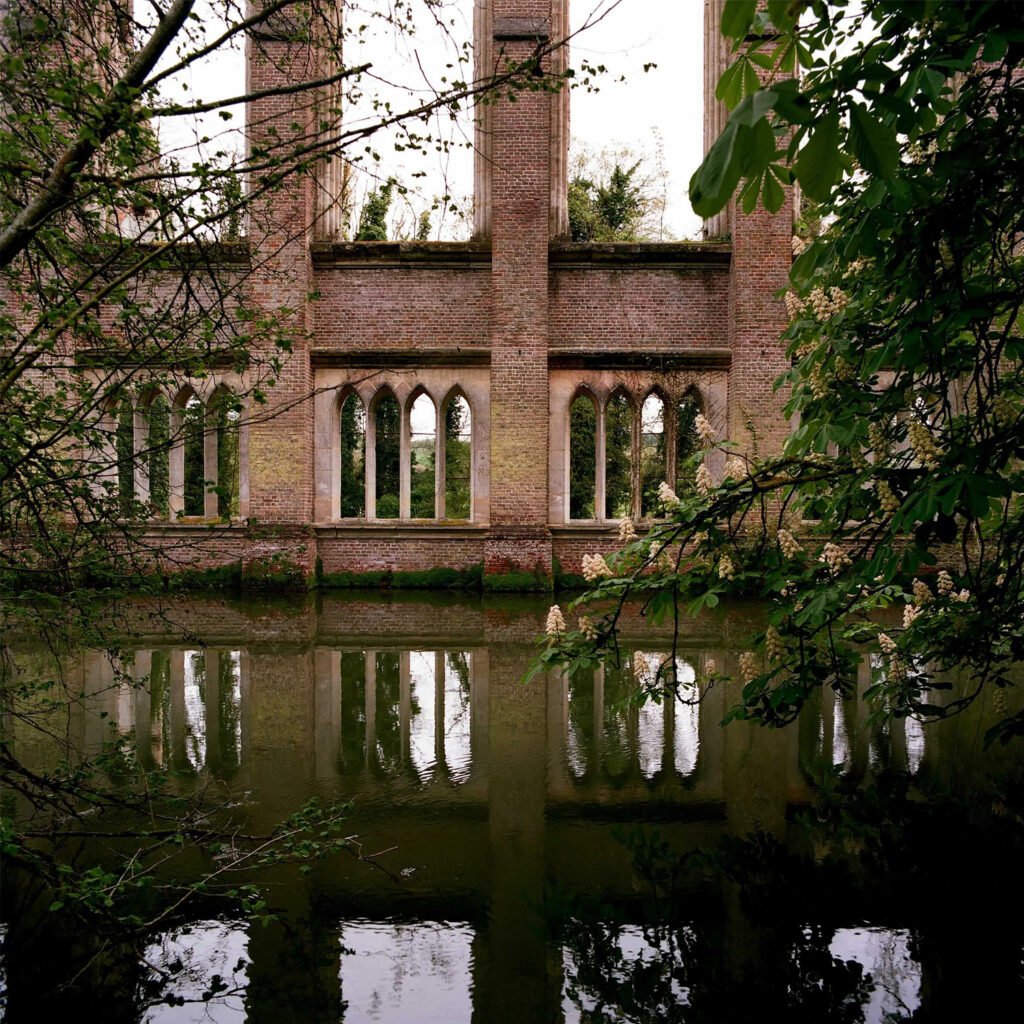
As part of her residency, Claire Adelfang is dedicating a photographic series to the Levavasseur Spinning Mill, a former industrial gem of the Eure region that now lies abandoned. Built in the 19th century in the heart of the Andelle Valley, this spectacular neo-Gothic building, once powered by water, still bears the marks of its history, marked by several fires and the site’s permanent closure.
Through her use of medium-format film photography and a careful handling of light, the photographer offers a contemporary perspective on this ‘cathedral-factory’. The images go beyond mere heritage documentation to reveal a theatrical, almost surreal space, where water, vegetation and stone seem to interact in a delicate balance.
The project draws on the heritage of this site and invites visitors to look beyond the immediate reality, revealing various traces that tell the many different stories linked to this forgotten landmark.
+ more info >>>

Link matches
_
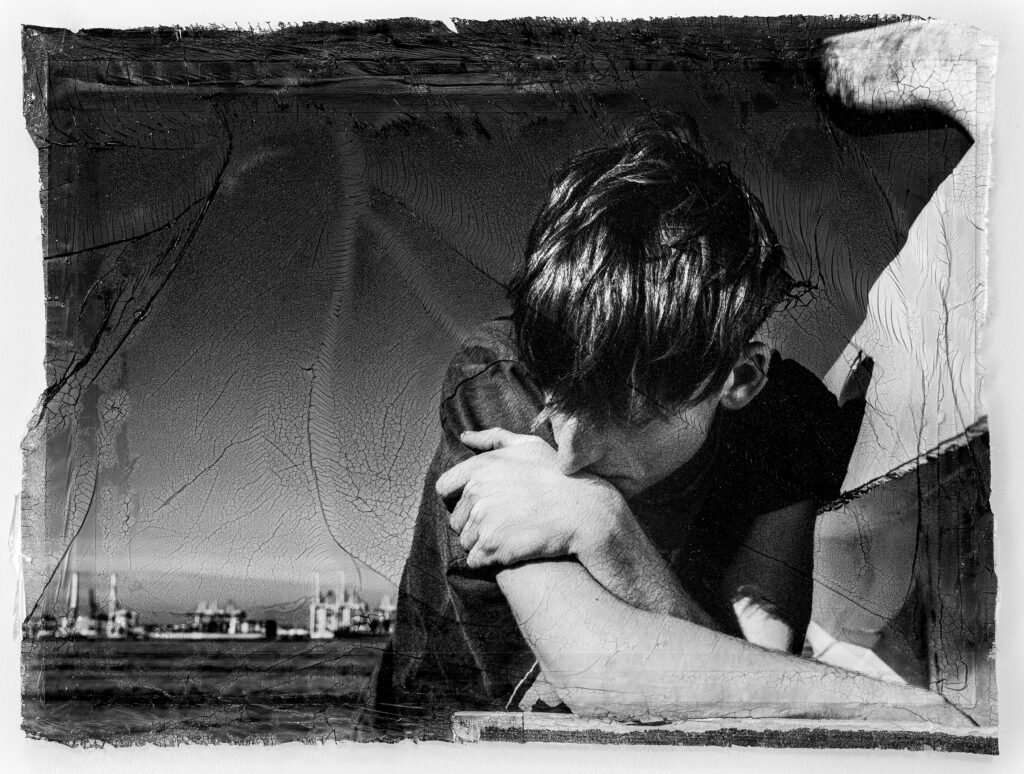
Set against the cliffs, Sylvie Bonnot develops a metaphorical exploration of the notion of connection within the shifting shores of Normandy, echoing the thinking of Tim Ingold. Her conception of lines and transmissions as living, ever-changing entanglements, rather than as layers, influences a body of work in which lines, fibres and bodies extend into the texture of the photographic material.
Tethered ivy, coiled forms and meandering strands of glossy blackness form a porous continuum of patterns, poised between tension and disintegration. They weave a reflection interwoven with invisible relationships as much as with forms in the making (like so many outcrops?).
The large-format images, with their palpable materiality, are ‘mues’ – a process invented by the artist, involving the crystallised peeling away of the silver membrane from his prints in order to enhance their organic quality.
Between tremors, erosion and plasticity, Link matches explores our connection to life, to others and to the image, both in its continuities and in its tensions.
+ more info >>>

Ōra
_
‘To create a new world, one must start with a world that already exists. […] To discover one, perhaps one must have lost one. Or be lost oneself. The dance of renewal, the one that created the world, has always been danced here, on the edge, at the boundary, on the mist-shrouded coast.’ Ursula K. Le Guin
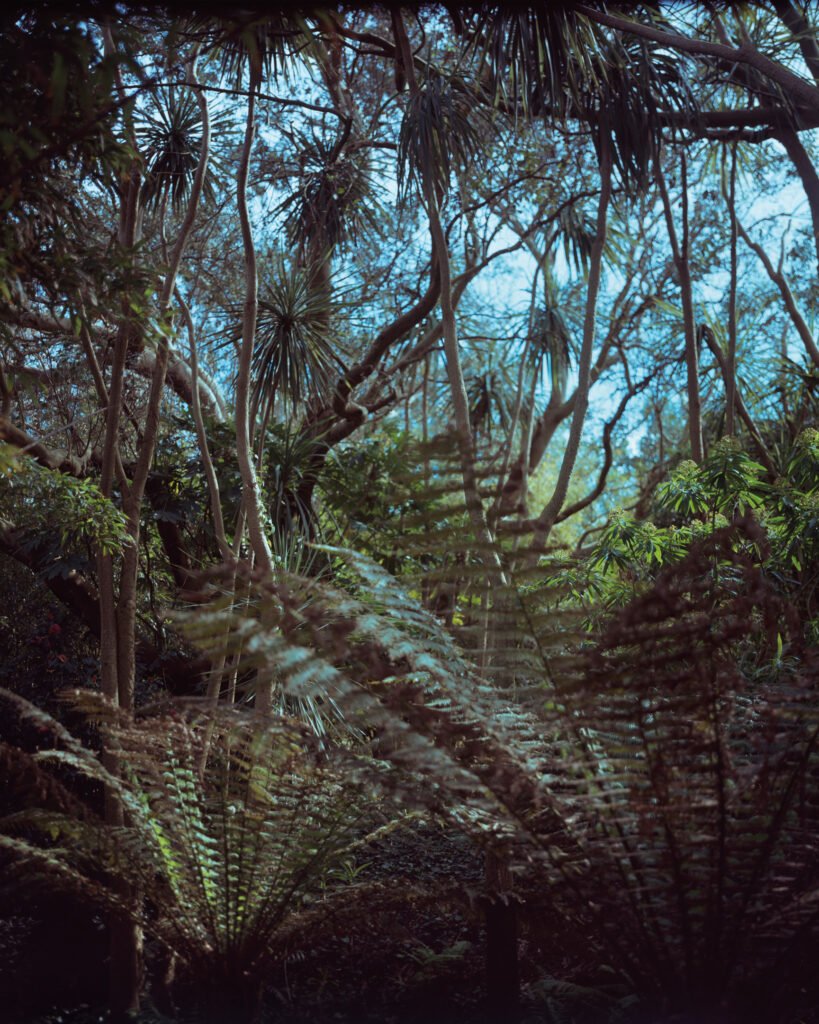
Ōra, Could the Latin version of the word ‘littoral’ – meaning ‘shore’, ‘coast’, or even ‘edge’ or ‘boundary’ – be the name of a new landmass that has emerged off the Normandy coast?
As part of her residency in Deauville, Cécile Genest evokes the fantasy of a primeval landscape by highlighting nature in its wildest state. A trompe-l’œil of a tropical, exotic and mysterious land, Ōra reminds us of the constant evolution of landscapes, shaped by the cycles and ceaseless movement of the elements and sediments that characterise the Earth’s coastlines.
+ more info >>>

Suddenly, the melee
_
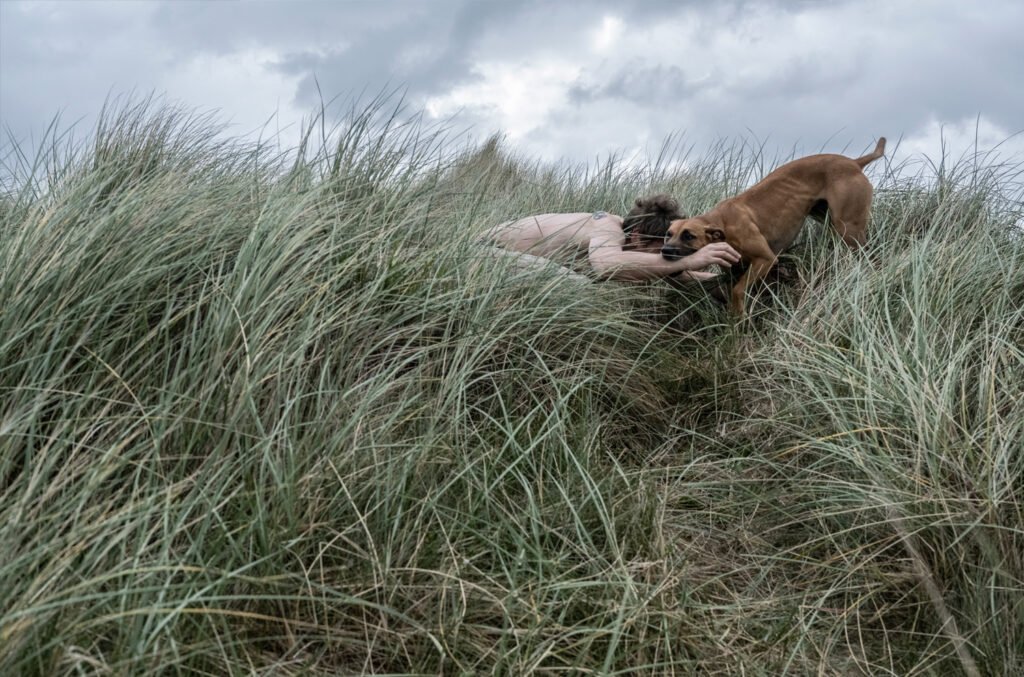
In the Normandy countryside, Suddenly, the melee explores the deep bonds that unite humans, animals and nature. Against a backdrop of beaches, dunes and wooded countryside, young people spend time with their dogs in places where play, instinct and freedom come together.
Amidst the packs, bodies brush against one another, chase each other and sometimes clash. Amidst trust, energy and tension, the images capture a physical and instinctive relationship, imbued with the power of life. Fur, earth, light and movement come together to form a dense, sensory world where animals reclaim their rightful place.
Tina Merandon offers a glimpse into a vibrant, untamed natural world, where gentleness, intensity and a fleeting sense of wildness intertwine.
+ more info >>>
La fondation photo4food
Since 2020, the Planches Contact Festival and the foundation photo4food are developing a partnership that combines support for photographic creation with a commitment to social solidarity.
Founded by Olivier and Virginie Goy under the auspices of the Institut de France, the foundation photo4food funds initiatives for the most disadvantaged through the sale of photographs donated by artists and with the support of its patrons and donors.
This partnership enables the festival to host four photographers in residence each year, selected by the foundation’s jury. Their projects, carried out in Normandy, enrich the programme of the Planches Contact Festival and contribute to the diversity of perspectives presented to the public.
Over the years, this collaboration has become a long-standing fixture, supporting photographers at various stages of their careers and fostering the creation of new work. Exhibitions featuring the grant recipients will be held on Deauville beach and at the Point de Vue.
The Jury
Arnaud Adida, Director of A. Gallery and A. Agency, Lucie de Barbuat and Simon Brodbeck, artists, Akrame Benallal, Michelin-starred chef, Lionel Charrier, Co-artistic director of the Planches Contact Festival, Emmanuelle de l’Ecotais, founder and Artistic Director of Photo Days, Isabelle Juy Lott, interior designer, Nathalie Martin, General Delegate of the Swiss Life Foundation, Jonas Tebib, Co-artistic director of the Planches Contact Festival
The Foundation’s charity shop photo4food
The Foundation’s Charity Shop photo4food This year, it returns to take centre stage at Les Franciscaines. It brings together a collection of prints based on works by artists supported by the foundation since the start of its partnership with the Planches Contact Festival.
Visitors can view works by Julien Mignot, Marilia Destot and Costanza Gastaldi, as well as by this year’s guest photographers in residence. All prints, which are framed and certified, are on sale for a single price of €200, with proceeds going to the Red Cross.
Each photograph can be purchased online and delivered directly, ready to hang or give as a gift. Each print comes with a certificate Collection photo4food pour la Croix-Rouge, specifying the artist, the work and its characteristics.
Treat yourself to something special...
and offer hope!
Célébrons ensemble 200 ans d’images et de créations à l’occasion du bicentenaire de la photographie